Blank Paper: From Abstraction to Asset in the Modern Creative Toolkit
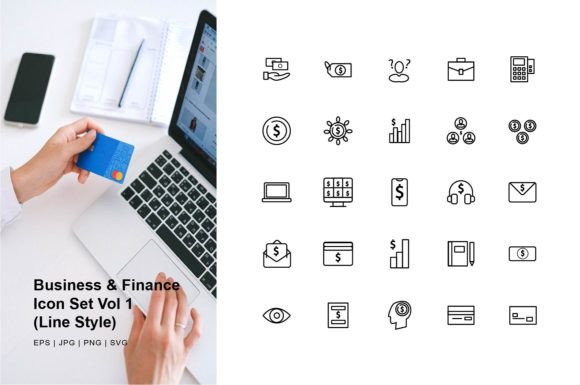
In our visually saturated digital age, the concept of Blank Paper holds a profound and often underestimated power. It represents the pristine starting point, the unmarked territory where ideas are born. More than just a physical object, Blank Paper is a metaphor for potential—the raw space upon which clarity, strategy, and identity are built. This potential is most powerfully realized when paired with meticulously designed assets, like a beautiful business icon, transforming abstract potential into concrete, professional visual communication.
The Evolution of the Visual Starting Point
Historically, Blank Paper was literal: a sheet awaiting a sketch, a business plan, or a handwritten note. Today, its digital equivalent is the blank canvas in a design software, the empty slide in a presentation deck, or the unformatted wireframe of a website. The core need remains the same: a clean beginning. However, user expectations and professional standards have dramatically shifted. Speed, consistency, and aesthetic polish are now paramount. Professionals, from entrepreneurs crafting their first logo to marketers developing a campaign, no longer have the luxury of time to build every element from absolute zero. They need high-quality starting blocks that communicate professionalism immediately.
This is where the value of a beautiful, meticulously designed business icon, offered as part of a versatile asset pack, becomes evident. It provides that crucial first stroke on the digital Blank Paper. Such an icon is not merely a graphic; it is a foundational component. Designed with precision, it carries visual weight, balance, and scalability, ensuring it can anchor a brand identity across countless applications.
Aligning with Modern Creative and Business Workflows
Current trends in design and business emphasize efficiency without sacrificing quality. The rise of freelance work, lean startups, and content-driven marketing means individuals and small teams are often responsible for producing a wide range of materials. They must move seamlessly from designing a website to creating printed brochures, social media graphics, investor presentations, and promotional flyers. A disjointed, amateurish visual identity across these touchpoints can erode trust and credibility.
A professional business icon, delivered in multiple file formats like SVG, PNG, JPEG, and EPS, directly addresses this workflow challenge. The SVG file ensures the icon remains sharp and editable for web and development projects. The high-resolution 300dpi PNG and JPEG files guarantee print-ready quality for physical materials. The EPS file offers vector scalability for advanced design software. This multi-format approach means the creator can begin their project on their "Blank Paper"—whether it's in Adobe Illustrator, Canva, PowerPoint, or a web development environment—with a guaranteed, high-quality visual cornerstone already in place. It eliminates the time-consuming search for suitable graphics and the technical pitfalls of using low-resolution or incompatible files.
Practical Implications for Professionals and Creators
The practical benefits of starting with such a curated asset are tangible. For a business owner developing a new website, the icon can serve as the immediate visual hook for the header or favicon, establishing tone before a full logo is even commissioned. For a marketer rushing to produce an infographic for a campaign, the icon provides a reliable, professional data point marker or section header. An educator creating a presentation can use it to create consistent slide headers, enhancing the material's perceived authority.
Consider the example of a freelancer pitching a client via a presentation deck. Using a generic, clip-art style graphic can undermine the proposal's seriousness. Placing a beautiful, minimalist business icon on the title slide, however, instantly frames the content as considered and professional. Similarly, a blogger embedding the icon within a custom illustration for a post about entrepreneurship adds a layer of cohesive branding to their content. The asset acts as a versatile seed, growing into various forms while maintaining its core integrity.
The Role of Quality in a Competitive Landscape
As audiences become more visually literate, the standard for what constitutes "good design" has risen. Blurry icons, mismatched colors, and pixelated graphics on a website or brochure are immediately noticeable and can negatively impact user perception. A meticulously designed icon, by contrast, signals attention to detail. Its use across printed materials, promotional assets, illustrations, and infographics creates a thread of visual consistency. This consistency is a key component of building brand recognition and trust, even at a micro-scale.
The availability of an asset in high-quality 300dpi resolution specifically caters to this need for excellence. It ensures that when the digital concept on Blank Paper transitions to physical form—a business card, a conference handout, a store sign—the graphic retains its crispness and impact. This bridge between digital and analog output is critical for holistic brand experiences.
Adapting to Changing Habits and Technological Needs
Design technology and habits are constantly evolving, but the need for adaptable, core assets remains constant. The inclusion of an SVG file is particularly significant for modern web development and digital design. Scalable Vector Graphics are essential for responsive websites, ensuring the icon looks perfect on any screen size, from a smartphone to a desktop monitor. For developers integrating custom graphics into an app or site, having this format removes a significant technical barrier.
Furthermore, the move towards template-based and component-driven design in tools like Figma or Webflow underscores the importance of having reliable, standalone graphic elements. A designer can drag and drop the provided PNG or SVG icon into their component library, using it repeatedly across different projects that all start from that same conceptual Blank Paper. This promotes not only efficiency but also a personal library of consistent, reusable quality.
From Potential to Practical Application
Ultimately, the journey from Blank Paper to finished project is about reducing friction and elevating output. A beautiful business icon is a tool that serves this journey. It allows the creator to focus their energy on the larger composition, the message, and the strategy, rather than on the painstaking creation of a single, foundational graphic element. It provides a confident first step.
For the entrepreneur, it might become the temporary mark of their venture. For the agency, it could be the perfect graphic for a client's internal report. For the hobbyist designing a community event flyer, it offers a level of polish they might not achieve alone. Its applications across any type of design project are limited only by the user's imagination, because the asset itself is built with versatility and quality as its core principles.
In a world where first impressions are increasingly visual and often digital, beginning your next project on Blank Paper with a strong, beautiful icon is not just a convenience—it's a strategic choice. It embeds quality into the process from the very first moment, ensuring that the potential of the empty canvas is realized as professional, cohesive, and effective visual communication.