The Strategic Power of the Check Mark in Design
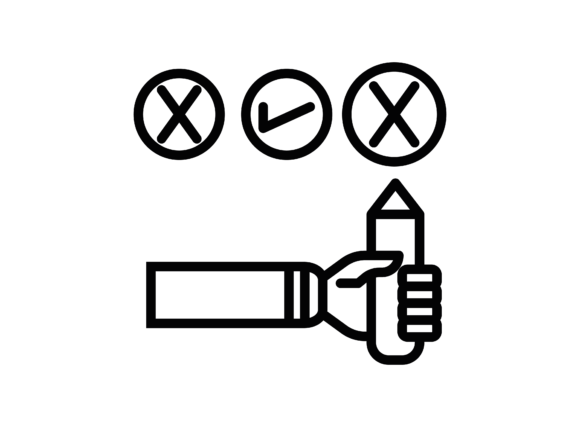
In the language of visual communication, few symbols carry as much universal, instant clarity as the Check Mark. More than a simple indicator of completion, this beautifully designed icon is a strategic tool. When used thoughtfully, it can guide attention, affirm decisions, streamline communication, and enhance user experience across a wide spectrum of projects.
Why This Icon is a Strategic Asset
A well-crafted Check Mark transcends basic functionality. Its clean, affirmative shape communicates success, verification, approval, and accomplishment without requiring textual explanation. This inherent meaning makes it a powerful asset for anyone looking to design with purpose. For entrepreneurs, marketers, and creators, its strategic usefulness lies in its ability to:
- Simplify Complex Information: In infographics or presentations, a Check Mark can quickly highlight key takeaways, approved steps, or successful outcomes, helping audiences process information faster.
- Enhance User Interface & Experience: On websites or apps, it provides clear, positive feedback—confirming a form submission, a completed task, or a selected option—reducing user uncertainty and friction.
- Strengthen Brand Messaging: In promotional materials or illustrations, it can visually underscore a brand’s promises, quality assurances, or list of features, adding a layer of trust and clarity.
The downloadable package—including versatile SVG, PNG, JPEG, and EPS files—ensures you have a high-quality, scalable asset ready for any medium, from digital screens to printed collateral.
Intentional Application for Better Results
To harness the full value of a Check Mark, it must be deployed with intention. Random use dilutes its impact; strategic application supports specific goals. Consider its role in your planning and execution.
Supporting Decision-Making and Planning
In operational or project planning documents, the Check Mark can serve as a visual anchor. Use it to denote completed phases in a timeline, approved items in a checklist, or validated assumptions in a strategy document. This creates a visual rhythm of progress, helping teams and decision-makers stay focused on milestones and achieved goals. It transforms a list of tasks into a map of accomplishments.
Elevating Communication and Clarity
For educators, bloggers, and publishers, clarity is paramount. Within educational content or articles, a Check Mark can iconify correct answers, key recommendations, or verified facts. This visual cue breaks up text, directs the reader’s focus to critical points, and reinforces learning. It says, “This is important and confirmed,” aiding comprehension and retention.
Building Customer Confidence and Experience
For small business owners and professionals focused on customer experience, the Check Mark is a subtle tool for building trust. On a service page, use it to visually check off features or benefits. In a post-purchase email or interface, use it to confirm an order or completion. This positive feedback reduces anxiety, confirms value, and creates a smoother, more reassuring journey for the customer.
Practical Considerations and Use Cases
Before integrating the Check Mark into a design, consider its context and your objectives. Its meaning is strong, so its use should be deliberate.
- When to Use It: Employ the Check Mark when you need to indicate completion, correctness, approval, selection, or success. Ideal contexts include: task lists, progress trackers, feature grids, confirmation dialogs, instructional materials, and comparison tables.
- How to Approach It: Pair it with concise text for maximum clarity. Ensure its design aligns with your overall aesthetic—the clean, beautiful design of this particular icon makes it adaptable. Use the SVG format for web development to ensure sharpness at any size; use the high-resolution PNG or JPEG for print materials like brochures or presentations.
- What to Avoid: Avoid overuse. Saturating a design with Check Marks can create visual noise and diminish the importance of each individual mark. Also, avoid using it for ambiguous or negative concepts—its positive association is too strong to repurpose for warnings or failures.
The Risk of Uncontextualized Use
Without clear goals, the Check Mark becomes mere decoration. The risk is not in using it, but in using it without strategy. If placed randomly, it fails to guide the viewer and may even confuse them. For instance, a Check Mark next to an item that is merely a description, not an achievement, misleads the audience. Its power relies on accurate application. Always ask: “What specific outcome or message does this Check Mark reinforce?” Tie its use directly to a goal—improved understanding, streamlined process, or reinforced confidence.
Planning for Long-Term Value
Think beyond the immediate project. A consistent, thoughtful use of the Check Mark across your materials—from website to printed promotional materials to internal presentations—can contribute to a cohesive visual language. This repetition, when meaningful, builds subconscious associations for your audience, linking your brand or communications with clarity, reliability, and positive outcomes.
Integrating the Icon into Your Creative Process
For freelancers, hobbyists, and creators, this asset offers a ready-made solution for professional-grade design. Use the EPS file for integration into larger illustration or vector-based projects. The multiple file formats ensure you are equipped for any design software or output requirement. Approach it as a component in your system. Before starting a design, identify the points where user feedback, information hierarchy, or success affirmation is needed. Plan for the Check Mark’s placement there, ensuring it serves a functional role within your creative vision.
Ultimately, the beautiful Check Mark is more than an icon; it is a decision-making tool for the designer and a communication tool for the end-user. By applying it with purpose—grounded in realistic use cases from web development to infographics—you leverage its universal symbolism to achieve better results: clearer communication, more effective planning, and a more positive experience for everyone who interacts with your work.